There are a wide range of issues which need to be addressed in the context of ape trafficking out of Africa.
Having investigated and documented several such illegal transactions I believe a key deterrent would be if all the parties, including the PASA members, fully complied with Article VIII of the convention as far as exploring the return of the illegally exported species being returned to the country of origin.
This case involves two young orphaned gorillas which were trafficked through Kano in Nigeria. The first one ended up in the below mentioned Drill Ranch in Nigeria where it had a chimpanzee for company. Some DNA work was done and as pretty much all the past gorillas having been trafficked through northern Nigeria (see film link below) the result indicated a it had originated from a population in Cameroon. In this case from the border with Congo Brazzaville.
I wonder why the Turkish authorities did not provide the results of their DNA analysis which determined it did not originate in Nigeria. The chance is very high that the same pattern would have shown up again. Has some diplomatic pressure been applied in this context to provide the details of the country of origin?
Cameroon has at least two ape sanctuaries with western lowland gorilla residents and the same for Congo Brazzaville plus one in Gabon. Some of these centers have also been successful in reintroducing some of these orphans. So there is not really a reason why these two 2025 confiscation cases have not been repatriated under Article VIII of the CITES convention. Why it seems investigations have not resulted in in evidence concerning the dealers involved and their prosecution as also provided for under the CITES compliance rules.
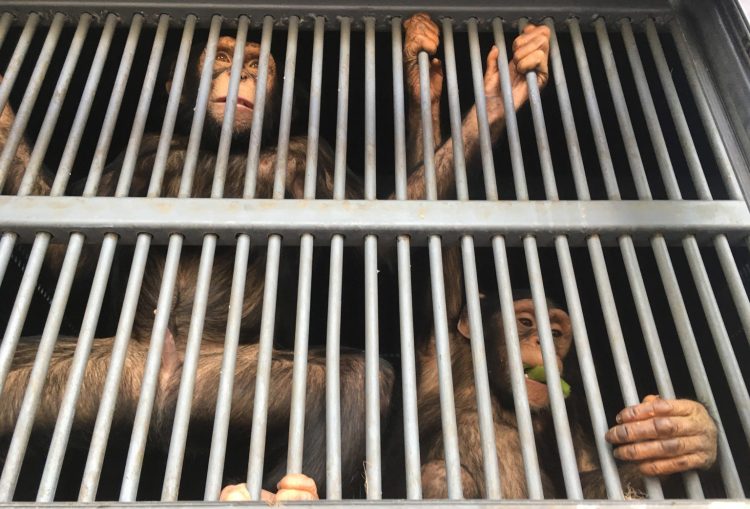
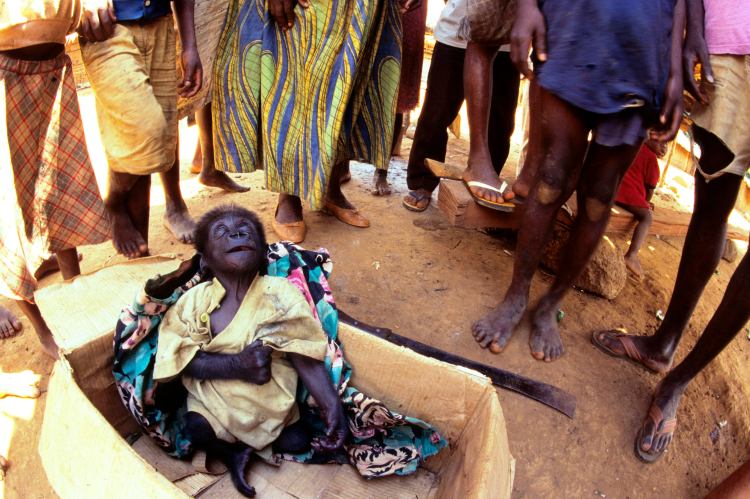
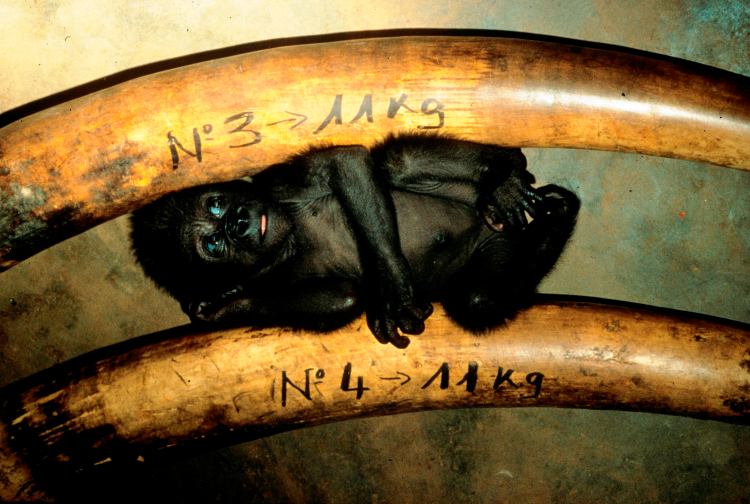
Quite a few years ago there was another such illegal shipment of four gorilla orphans from Nigeria to the Taiping Zoo in Malaysia, Except they were all from Cameroon and illegally imported into Nigeria. In that case the NGO community did come up with an activist campaign and the gorillas were eventually returned to Cameroon- with an unnecessary long transit stop in South Africa – and several perished in the process. So this whole Nigeria link goes back much further as illustrated in the link to the documentary below. Kano was always a key transit point and the chance is high that the second generation of the originally pinpointed traffickers are still involved. The images of Zeytin in the wooden box show exactly the same product as we documented on the same route three decades ago. There was no CITES enforcement capacity at the time and it seems there still is none.
With the ongoing demand picture from private collection especially in the Middle East but now also India (although the one in question is licensed as a rescue and rehabilitation center) are there any real efforts on the ground in the supply or demand countries considering the generally accepted ratio in animal trafficking is maybe one shipment out of ten being stopped and or confiscation taking place.
There are today buyers out there offering U$ 1 million per orphaned gorilla youngster. To what extend do these new demand characteristic result in even more pressure on whatever is remaining of these gorilla populations.
https://www.youtube.com/channel/UCIBpMj2Zk8_z_6tdDETeeow
My letter to NYT magazine story: The Quest to Save One Baby Gorilla From an Uncertain Fate
Sent March 16, 2026 Dear Editor, As a party having worked for decades investigating the bush meat and the trade in wildlife , I have some feedback to your recent story in the NYT magazine – The Quest to save One Baby Gorilla From an Uncertain Fate. Efforts to find an email address for Yudhijit Bhattacharjee, the…
Stealing Giants Premier
2024 Zurich Film Festival
Something went wrong. Please refresh the page and/or try again.
ALL POSTS






Get new content delivered directly to your inbox.
 The world of Karl Ammann